
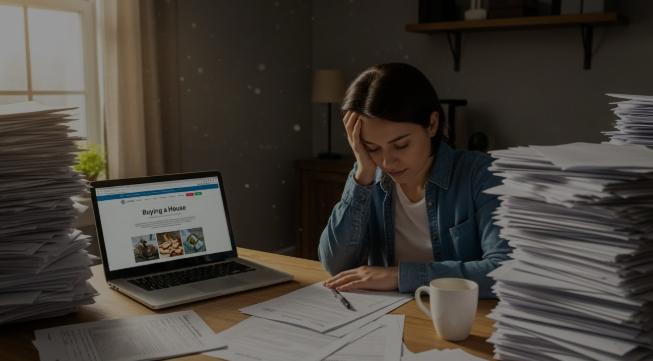
Buying a home is one of the biggest financial decisions many people make in life. But what happens if you haven’t filed taxes? Can you still qualify for a mortgage, or are you automatically blocked from buying a house? The short answer is yes, it’s possible, but it’s far more complicated and may involve higher interest rates, alternative financing, and stricter documentation requirements.
In this comprehensive guide, we’ll break down everything you need to know about buying a house without filed taxes, including step-by-step strategies, real-life examples, financing options, and FAQs to help you navigate the process successfully.
Short Answer: Can You Buy a House if You Haven’t Filed Taxes?
While it’s technically possible to buy a house without filed taxes, most lenders require tax returns to verify income. Without them, your options are limited, and interest rates or down payment requirements may be higher. Alternative documentation, such as bank statements or asset verification, can sometimes substitute but not always.
Who This Applies To
- Self-employed individuals or freelancers who haven’t filed taxes on time.
- Homebuyers behind on tax obligations or with complicated tax situations.
- First-time buyers seeking financing without standard documentation.
Key Considerations
- Lender requirements for income verification.
- Potential higher interest rates for nontraditional loans.
- Availability of alternative financing options such as bank statement loans, FHA loans, or portfolio lenders.
Understanding How Taxes Affect Home Buying
Why Lenders Require Tax Returns
Lenders use tax returns to:
- Verify your income and employment status.
- Calculate your debt-to-income ratio.
- Reduce their risk by ensuring you can afford mortgage payments.
Without tax returns, lenders lack proof of income, which can limit your mortgage eligibility or require alternative proof.
Risks of Buying Without Filed Taxes
- Higher interest rates due to perceived risk.
- Denial of conventional loans.
- Limited financing options, often forcing you into more expensive nontraditional loans.
Exceptions and Special Cases
Some lenders accept alternative documentation:
- Bank statement loans: 12–24 months of deposits to prove income.
- Portfolio lenders: Banks that issue loans outside conventional rules.
- FHA loans: May accept IRS transcript verification if tax returns are missing but income is consistent.
Real-Life Example
John, a self-employed graphic designer, hadn’t filed taxes for two years. He presented 24 months of bank statements showing consistent deposits. With a portfolio lender, he qualified for a mortgage at a slightly higher interest rate than conventional loans.
Guide to Buying a House Without Filed Taxes
Step 1 – Assess Your Financial Situation
Review your:
- Current income
- Savings for down payment
- Credit score
- Debt-to-income ratio
This will help you determine what type of loan is feasible.
Step 2 – File Back Taxes if Possible
Filing prior-year taxes increases your eligibility for conventional or FHA loans. It also reduces risk of IRS liens or penalties complicating the mortgage process.
Step 3 – Explore Alternative Financing Options
- FHA loans: Government-backed and flexible, may accept IRS transcripts.
- Bank statement loans: Self-employed buyers can qualify using income shown in statements.
- Portfolio lenders: Can tailor loans for nontraditional income verification.
- Hard money loans: Asset-based, high-interest, short-term option for urgent purchases.
Step 4 – Prepare Documentation
- Bank statements (12–24 months)
- Profit and loss statements for self-employed income
- 1099s or W-2s if applicable
- Proof of assets for large down payments
Step 5 – Work With a Mortgage Broker Experienced With Nontraditional Buyers
An experienced broker can:
- Identify lenders willing to work with unfiled taxes
- Help negotiate terms
- Ensure all alternative income documentation meets lender requirements
Step 6 – Close and Maintain Compliance
- Once approved, ensure all taxes are filed going forward to avoid future mortgage issues or IRS penalties.
Financing Options Without Filed Taxes
| Financing Option | Requirements | Pros | Cons | Ideal For |
|---|---|---|---|---|
| FHA Loan (IRS transcripts) | IRS transcript, proof of income | Lower down payment, government-backed | Limited debt ratios | First-time buyers, low credit |
| Bank Statement Loan | 12–24 months bank statements | Allows self-employed or unfiled taxes | Higher interest, larger down payment | Freelancers, entrepreneurs |
| Portfolio Lender | Flexible, lender-specific | Can accept alternative income | Non-standard, higher rates | Buyers outside conventional lending |
| Hard Money Loan | Asset-based, minimal documentation | Quick approval, flexible | Very high interest, short-term | Investors, urgent purchases |
People Also Ask / Related Questions
Can I get pre-approved for a mortgage without tax returns?
Yes, with alternative documentation like bank statements or portfolio lenders, but conventional lenders usually require tax returns.
Can self-employed people buy a house without filed taxes?
Yes, through bank statement loans or portfolio lenders, though terms may be stricter.
Will an IRS lien prevent me from buying a house?
Not necessarily, but it complicates financing. Lien payoff may be required before closing.
Can I use W-2s or pay stubs instead of tax returns?
Sometimes acceptable for traditional employees, but not sufficient for self-employed borrowers.
Real-Life Examples
- Maria, a freelance consultant, hadn’t filed taxes for 2 years. She used a bank statement loan with a 20% down payment to purchase her home.
- Alex filed back taxes and qualified for an FHA loan, saving $15,000 in interest compared to alternative financing.
- Sam was initially denied by conventional lenders but used a portfolio lender to buy a home with a slightly higher rate.
These examples show that strategic planning and alternative documentation can help even buyers without filed taxes.
Frequently Asked Questions
Can I buy a house with IRS penalties or unpaid taxes?
Yes, but unresolved issues can complicate approval and may require payoff agreements.
Do mortgage lenders check my tax history?
Yes, most lenders verify tax filings to confirm income and reduce risk.
Are bank statement loans safe or high-risk?
They are legitimate but usually higher interest and require strong documentation.
How long do I need to wait after filing back taxes to buy?
Typically a few weeks to verify returns, but may vary by lender.
Can I use alternative income verification for a conventional mortgage?
Rarely; conventional lenders prefer standard tax documentation.
Will not filing taxes affect my interest rate?
Yes, lenders often charge higher rates for borrowers without filed taxes due to increased risk.
Can self-employed buyers qualify without filed taxes?
Yes, using portfolio lenders or bank statement loans, but down payments may be higher.
Key Takeaways & Conclusion
- Buying a house without filed taxes is possible but challenging.
- Lenders require proof of income, and tax returns are the most reliable documentation.
- Alternatives like bank statement loans, FHA loans, or portfolio lenders exist, often with higher interest rates.
- Filing back taxes and maintaining compliance increases your chances for favorable financing.
- Strategic planning, documentation, and working with experienced brokers are key to success.
In conclusion, while buying a house without filed taxes is not ideal, alternative financing and careful preparation make it achievable for self-employed buyers, freelancers, and others with unconventional income. By planning ahead and understanding your options, you can successfully purchase a home while managing your tax situation.